
Jaswant Singh Khalra: The Activist Who Exposed Punjab's Secret Cremations
Explore the story of Jaswant Singh Khalra, the human rights activist whose investigation into alleged secret cremations during Punjab's insurgency brought international attention to one of the region's most debated chapters.
By Punjab in a Minute
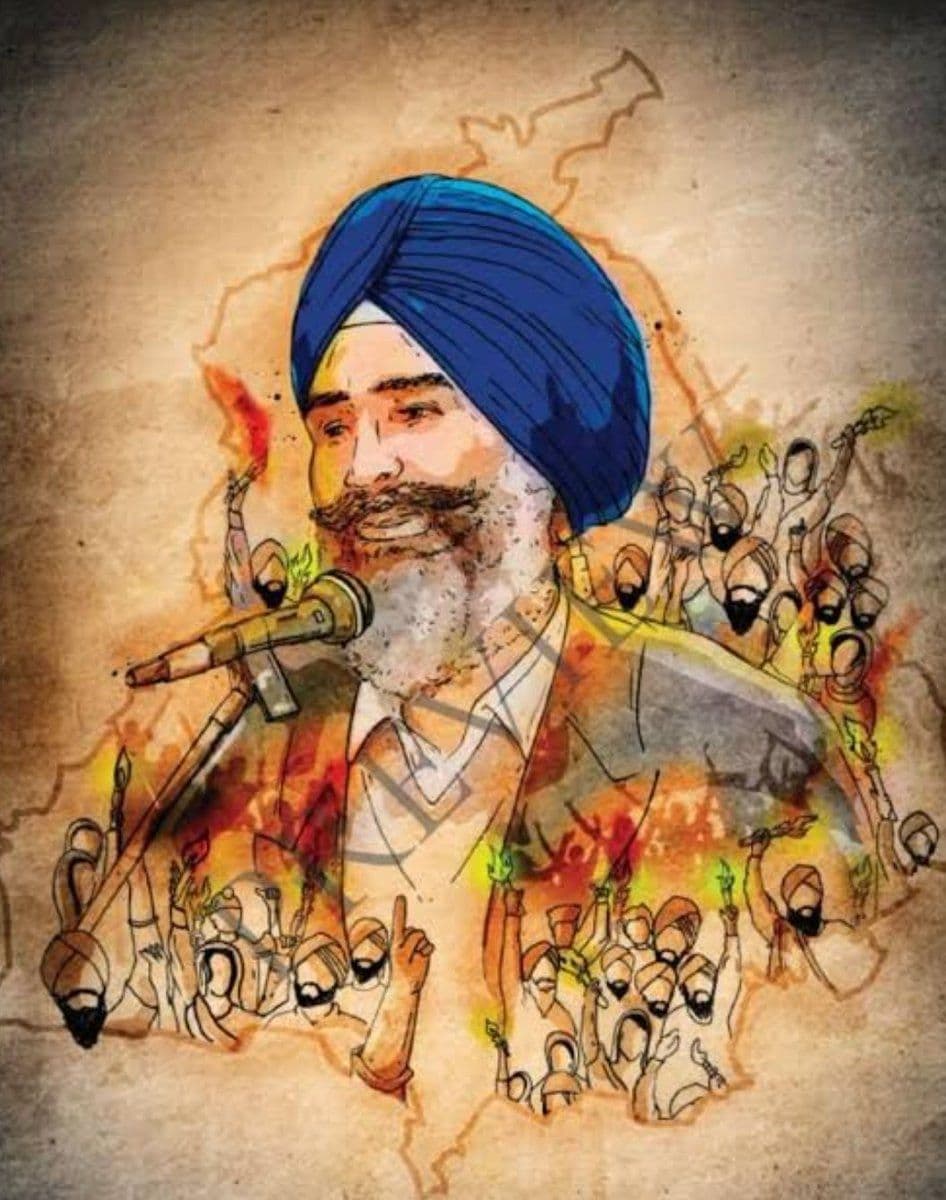
How one man's investigation uncovered records that changed the conversation on Punjab's darkest chapter.
For many Sikhs, the name Jaswant Singh Khalra represents one of the most significant human rights investigations in Punjab's modern history.
During the 1990s, Khalra began examining municipal cremation records in Punjab and alleged that thousands of unidentified bodies had been secretly cremated during the counterinsurgency period. His work brought international attention to allegations of enforced disappearances, extrajudicial killings and secret cremations.
His findings remain central to discussions about accountability, justice and the legacy of Punjab's insurgency.
The Punjab Conflict
Punjab experienced years of violent conflict between the mid-1980s and the mid-1990s.
The period saw attacks by Sikh militant groups, extensive counterinsurgency operations by Indian security forces and thousands of deaths.
While the Government of India has maintained that any human rights violations committed during the campaign were isolated incidents, several human rights organisations have argued that abuses were widespread and systematic. The 2009 report by Ensaaf and the Human Rights Data Analysis Group was produced to examine those competing narratives using quantitative analysis.
What Jaswant Singh Khalra Discovered
According to the report, Khalra and fellow activist Jaspal Singh Dhillon investigated municipal cremation records in Amritsar and identified records relating to thousands of bodies labelled as "unidentified" or "unclaimed."
These discoveries eventually led to legal proceedings before India's Supreme Court and investigations by the Central Bureau of Investigation (CBI). The National Human Rights Commission (NHRC) later acknowledged 2,059 illegal cremations within the scope of its inquiry, although that inquiry was limited geographically and procedurally.
What the 2009 Report Found
The report combined information from six independent datasets containing more than 21,000 records, including:
- National Human Rights Commission records
- Committee for Coordination on Disappearances in Punjab (CCDP)
- People's Commission on Human Rights Violations in Punjab
- Municipal cremation records
- The Tribune newspaper archives
- Other official documentation
Using statistical analysis, the authors concluded that the available data were inconsistent with the view that alleged human rights violations were isolated or random incidents. Instead, they argued that the patterns suggested widespread practices associated with the counterinsurgency, particularly during the early 1990s.
The report also notes that additional research would be needed before drawing conclusions about the total number of people killed or disappeared during the conflict.
Why Khalra's Work Still Matters
More than three decades later, Jaswant Singh Khalra continues to be remembered by many as a symbol of the search for truth and accountability in Punjab.
His work remains frequently referenced in discussions about human rights, justice and reconciliation, and has regained public attention following the release of the film Satluj, which has renewed interest in this period of Punjab's history.
Whether viewed through the lens of history, law or human rights, Khalra's investigation remains one of the most influential efforts to document allegations arising from Punjab's counterinsurgency.
Sources
- Ensaaf / Romesh Silva, Jasmine Marwaha, & Jeff Klingner